
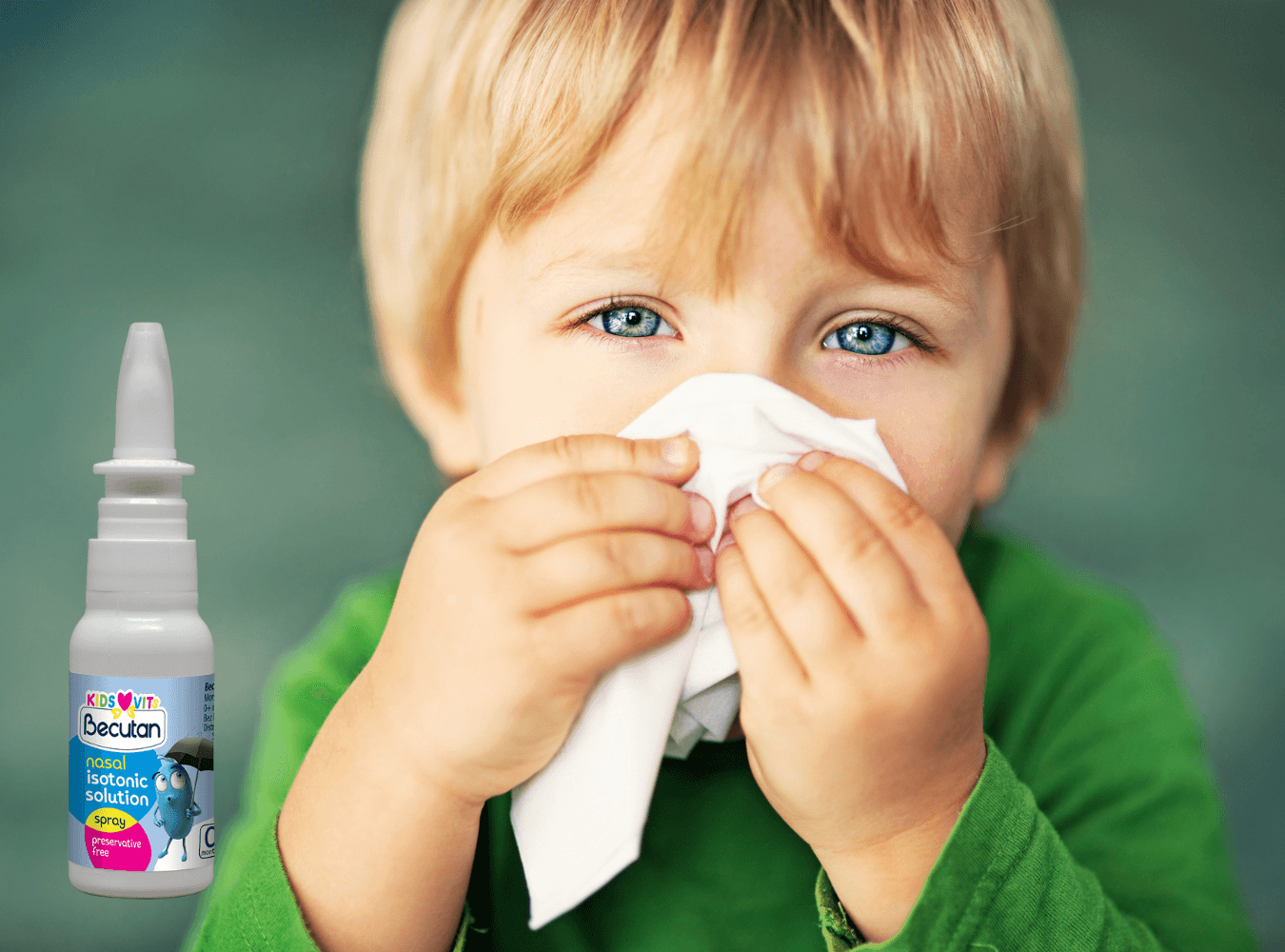
Proper nasal hygiene is often overlooked, yet it is an extremely important part of daily childcare and health. One of the most effective and simple measures is nasal irrigation with a saline or isotonic nasal solution, which gently removes excess mucus, allergens, and dust particles from the nasal cavity, enabling the child to breathe through the nose. Why is this important?
A Clear Nose Affects Proper Hearing and Speech Development
A blocked nose is not only uncomfortable but can also have serious consequences for a child’s hearing. Frequent colds or allergies can lead to blockage of the Eustachian tube—the tube that connects the nasal cavity with the middle ear. This can result in ear infections and conductive hearing loss, meaning that the child hears less well because sound cannot be effectively transmitted through the eardrum and ossicles to the higher auditory centers in the brain due to fluid buildup in the middle ear. Reduced hearing directly affects speech and language development. A child who does not hear well may consequently have poorer speech, while reduced hearing can also lead to shorter or more difficultly sustained auditory attention and impaired language comprehension. Therefore, a clear nasal passage is a prerequisite for normal development of auditory and speech-language abilities.

Nasal Breathing Supports Proper Development of the Face, Teeth, and Jaw
A clear nasal passage also plays an important role in the development of facial structures. When a child is not speaking and breathes through the nose, the mouth is closed and the tongue rests against the palate. Proper lip closure, nasal breathing, and correct tongue posture support healthy development of the jaw, dentition, and the entire facial structure. In contrast, mouth breathing often leads to malocclusion, improper tooth alignment, altered jaw development, and poor posture, which may cause additional long-term problems.
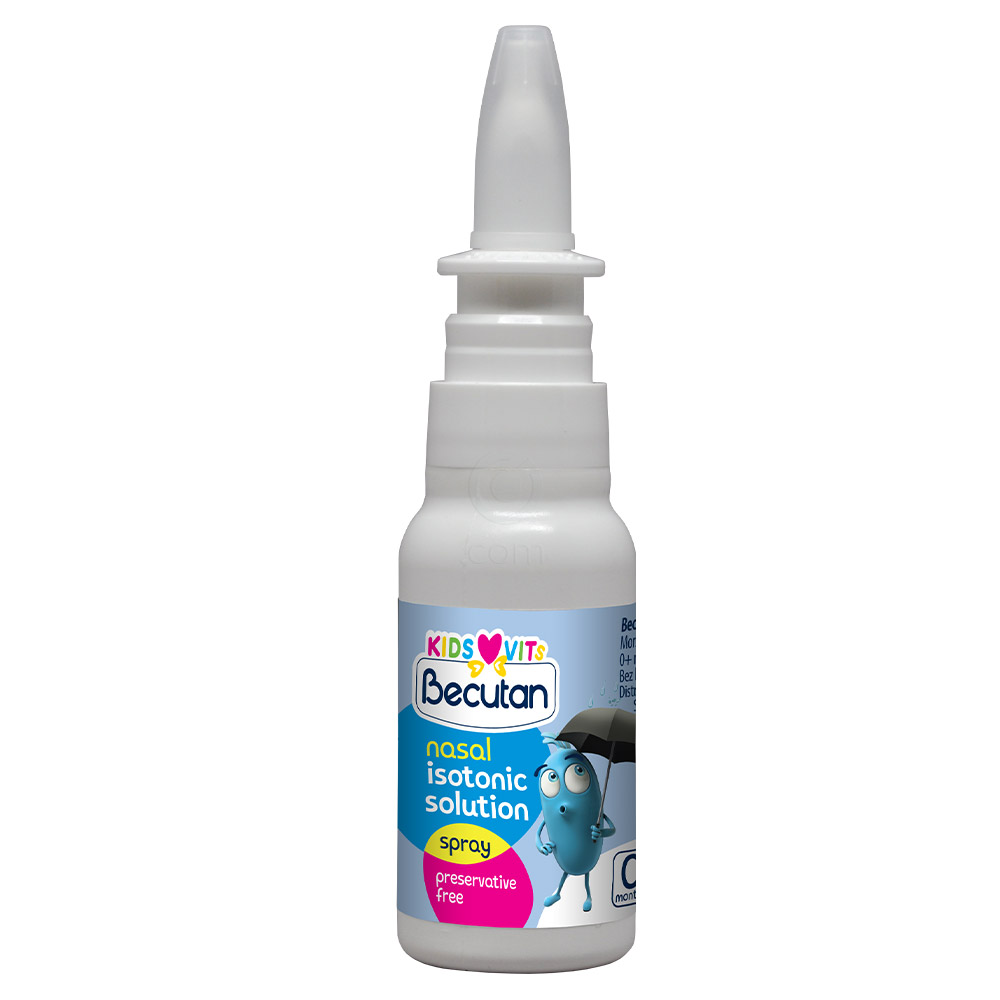
Nasal Irrigation – A Simple Routine with a Big Impact
Regular nasal irrigation with an isotonic solution, especially during the autumn and winter months, is a simple, safe, and effective method for maintaining nasal patency. It is recommended to regularly rinse a child’s nose, particularly if the child experiences chronic colds, recurrent ear infections, delayed or impaired speech, chronic allergic rhinitis, seasonal allergies, or spends time in environments with dry air. This helps prevent mucus buildup, reduces the risk of infections, and enables easier breathing, better hearing, and optimal speech and physical development.
Proper nasal hygiene in children is not important only for easier breathing; it also provides the foundation for a child’s ability to communicate, listen, and learn speech and language. These are all reasons why cleansing the nose with an isotonic solution is one of the key factors in ensuring proper hearing and, consequently, progress in speech and language communication.
Author: Meta Dolinar, Professor of Special and Rehabilitation Pedagogy, Speech and Language Therapist / Teacher of the Deaf and Hard of Hearing